

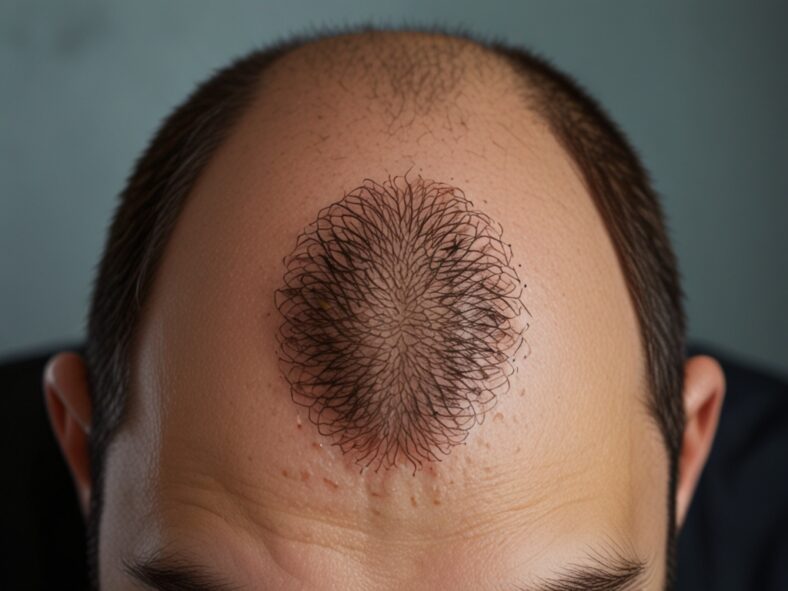
A male hair transplant is a cosmetic surgery that helps you restore a fuller head of hair. It can also correct a receding hairline, build up temporal points and fill in diffuse areas of thinning or baldness. Hair restorations are most commonly performed on men with a pattern of thinning or balding known as male pattern baldness. This is the most common type of hair loss among people assigned male at birth (AMAB).
During a hair transplant, your dermatologist moves healthy hair from a part of your scalp called the donor site to the area that needs more hair, or the recipient site. The donor site contains hair that is genetically programmed to grow for your lifetime. Your physician may do this using either a strip of the skin on the back of your scalp, or through a new technique called follicular unit extraction, or FUE, which involves removing individual hair follicles from the area.
Before you undergo a hair restoration, your doctor will do an exam of the area and take some blood tests to see how well your immune system is working. This can help tell whether you’re a good candidate for a hair transplant and what results you can expect.
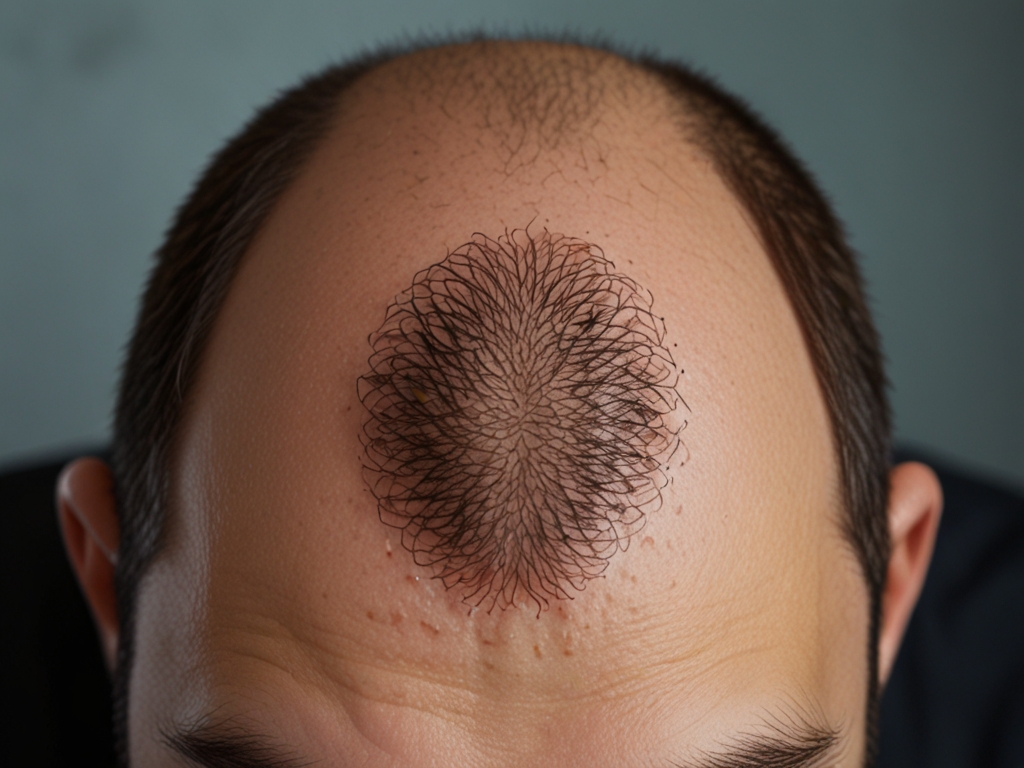
Your doctor will then numb the scalp with anesthesia and may prescribe a mild sedative to help you relax. This is usually enough to make you comfortable and calm during the procedure, though some people can feel anxious about the process or fear their surgeon might make a mistake.
Once the area is numb, your surgeon will make small incisions into the scalp to locate your hairs for harvesting and implanting. After removing the necessary grafts, your doctor will use them to create a new hairline, rebuild your temple points, or fill in an area of thinning or baldness. Once the transplanted follicles are in place, they will begin to grow normally and should look natural-looking.
You should expect to lose some of the newly transplanted hair within a few weeks after the procedure, and this is normal. You’ll also probably notice some itching at the transplanted hair sites. If you’re worried about this, talk to your surgeon.압구정모발이식
The hairs will generally start growing in a few months, and most people will have new growth within about a year after their hair transplant. You’ll need to maintain proper care for your new hair so it can continue to grow properly, which means avoiding over-styling or pulling.무모증모발이식
A hair transplant can give you a more youthful appearance, so it’s an option worth considering. But be careful when choosing a surgeon, and always choose a board-certified plastic surgeon who has a record of successful procedures. The American Academy of Plastic Surgeons has a list of qualified surgeons in your area. Also, check with the Care Quality Commission in England to ensure that the clinic or hospital you’re considering is registered. This can protect you from a poor experience or even a scam.